
In the retail sector, the data network used to be a simple back-office utility. It was essential for accessing core business applications such as finance, inventory and logistics systems. However, it had very little to do with the customer experience.
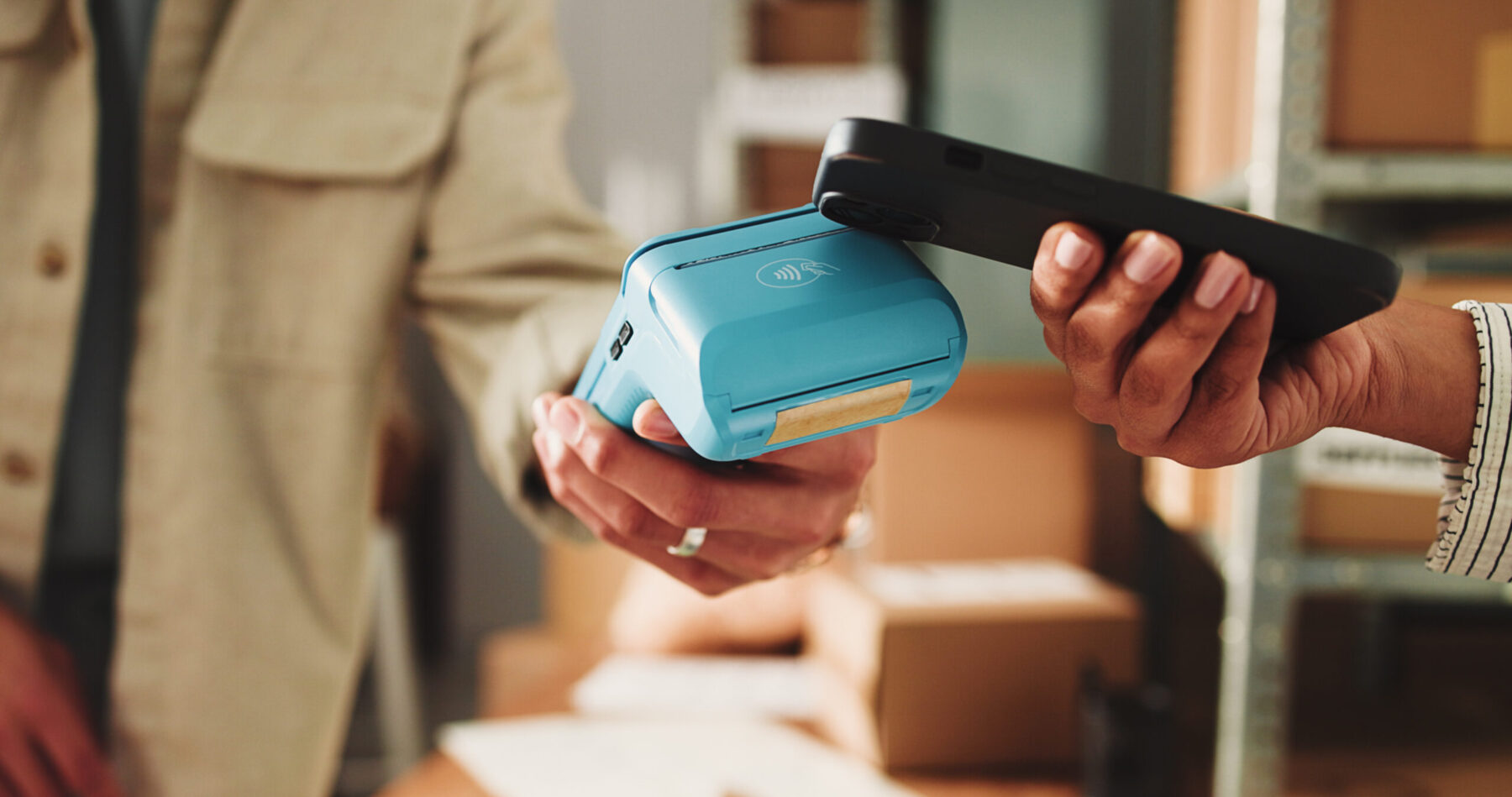
Fast forward to today. Modern retail networks must support a massive ecosystem of connected devices, including point of sale (POS) systems, IoT sensors and customer mobile devices. Many retailers have embraced edge computing, processing data at the store level to reduce latency. Retailers use RFID tags, smart shelves and sensors for real-time inventory tracking and supply chain visibility. The network must maintain high levels of reliability and robust security.
However, many retailers still operate with outdated, inconsistent or fragmented data networks. In a recent study, 65 percent of retailers said their in-store technology fails to meet modern, seamless shopping expectations. Retailers need a strong partner who can help them upgrade their networks while minimizing operational disruption.
High-Quality Customer Experience, Improved Profitability
In retail, a modern data network serves as the digital backbone that connects physical stores, e-commerce platforms and supply chains, transforming raw data into actionable insights to improve profitability and customer experiences. By supporting free in-store Wi-Fi, the network acts as a data source for understanding shopper behavior. This allows retailers to deliver personalized experiences and blurs the lines between physical and digital.
A modern network streamlines back-office operations, freeing employees from repetitive tasks to focus on customer service. Automation helps manage thousands of endpoints with greater reliability. High-performance networking also supports real-time inventory tracking and IoT-enabled solutions, reducing stockout and overstock scenarios.
Increasingly, retailers are using modern data analytics, such as AI-driven inventory and pricing models. The network also allows retailers to monetize their data by offering targeted advertising opportunities to suppliers. Studies show that these technologies can increase annual profit by as much as 10 percent.
The Challenges of Legacy Networks
Despite these benefits, many retailers have been slow to modernize their networks. Outdated network infrastructure often lacks the bandwidth and protocols required to connect disparate systems. Staff spend excessive time manually reconciling data, causing slow reactions to
inventory issues. Relying on disparate or incomplete data also creates strategic blind spots, preventing effective, data-driven decisions.
Legacy networks struggle to support the rapid increase in connected devices, including POS systems, inventory scanners and in-store Wi-Fi. They are often unable to handle the large volumes of data and the video, high-resolution images and real-time analytics commonly generated today.
A legacy network can bring serious consequences. Network outages and slow performance caused by poor infrastructure can lead to significant revenue loss, with downtime costing retailers an average of $2,300 to more than $9,000 per minute. Outdated software and hardware leave networks vulnerable to data breaches and other security risks. Inaccurate data leads to broken promises and failed personalized marketing, threatening customer loyalty and trust.
Getting the Right Expertise
Despite the costs of legacy infrastructure, modernizing the network can seem overwhelming. High upfront investment and difficulties in measuring long-term ROI can discourage leadership from approving modernization projects. Many retailers also lack internal expertise in networking, cybersecurity and AI.
Cerium Networks can provide that expertise. Our team has a deep understanding of the latest networking technologies as well as specific experience in retail environments. We can help retailers develop a network modernization strategy and select and implement solutions that deliver bottom-line results.
Our team can also help retailers capitalize on their modern network infrastructure. For example, Cisco Meraki access points can serve as passive sensors that provide insights into things like foot traffic and dwell time. This turns the network into a source of analytics that retailers can use to optimize staffing and customer experiences.
Don’t let a legacy network impact profitability and customer relationships. Let Cerium help you modernize your network to meet today’s competitive demands.